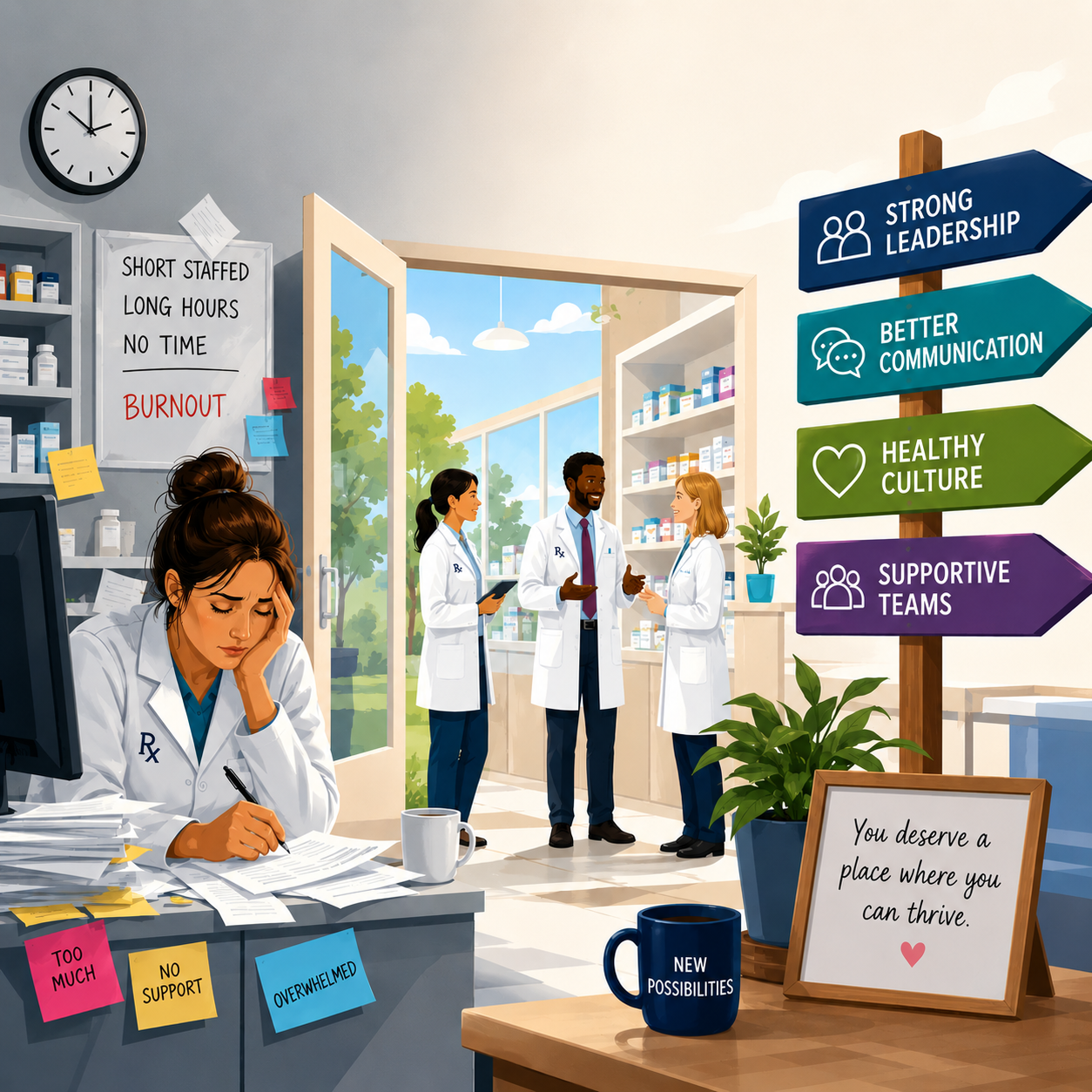
Pharmacy teams are more diverse than ever before—spanning as many as five generations working together, from seasoned Baby Boomers to digital-native Gen Z. Each brings distinct experiences, communication styles, and work expectations.
When managed intentionally, this mix fuels innovation, mentorship, and stronger patient outcomes. But without understanding and empathy, it can lead to frustration and turnover.
There is great power in generational diversity. Here’s how pharmacy leaders can bridge the gap and create workplaces where every generation thrives.
1. Lead with Respect, Not Assumptions
Generational stereotypes—like “Boomers resist change” or “Gen Z lacks commitment”—limit collaboration. Instead, focus on shared goals: patient safety, accuracy, and quality care.
A 2023 Deloitte study found that 83% of organizations with strong intergenerational collaboration outperform peers in retention and innovation.
Start team discussions with values everyone can align around: professionalism, respect, and purpose.
2. Practice Reverse Mentorship
Mentorship shouldn’t just move top-down—it works best when knowledge flows both ways. Senior pharmacists bring decades of clinical experience, while younger professionals offer tech fluency and fresh perspectives.
Try pairing employees from different generations on projects or tech trainings. One Ridgemont client saw measurable gains in efficiency and morale after implementing “learning partner” programs that let everyone teach—and be taught.
3. Communicate in Multiple Modes
Each generation has a preferred communication style—some value face-to-face check-ins, others prefer instant messaging or collaborative platforms like Teams.
A Harvard Business Review study found that teams adapting communication to fit diverse preferences see 35% higher collaboration scores.
Encourage flexibility: clarify expectations, set norms for response times, and use multiple formats to make sure everyone’s voice is heard.
4. Create Shared Learning Opportunities
Training sessions and roundtables are powerful tools for connecting people across age groups.
Host brief “Generational Insight” sessions once a quarter where staff discuss how they like to learn and collaborate.
One specialty pharmacy client reported a 22% drop in staff turnover after introducing open-forum learning events that helped employees understand—not judge—each other’s styles.
5. Model Kindness and Curiosity
The simplest bridge across generations is genuine curiosity. When leaders ask, “Help me understand why this approach works for you,” it opens dialogue instead of defensiveness.
Gallup reports that employees who feel their opinions count are 4.6x more likely to be engaged.
Kindness and curiosity don’t erase generational differences—they make them a source of growth.
Bonus Tip: Recognize and Celebrate Differences
Publicly acknowledge how diversity strengthens your team. Highlight successes from cross-generational collaborations in meetings or newsletters.
When people feel valued for their unique strengths, they’re more likely to extend that same respect to others.
Final Takeaway
Bridging generations isn’t about erasing differences—it’s about connecting through kindness, listening, and shared purpose. When teams learn to appreciate each other’s perspectives, collaboration improves, retention rises, and the entire workplace becomes stronger.
In pharmacy, where trust and precision matter most, generational harmony isn’t just good culture—it’s good practice.